

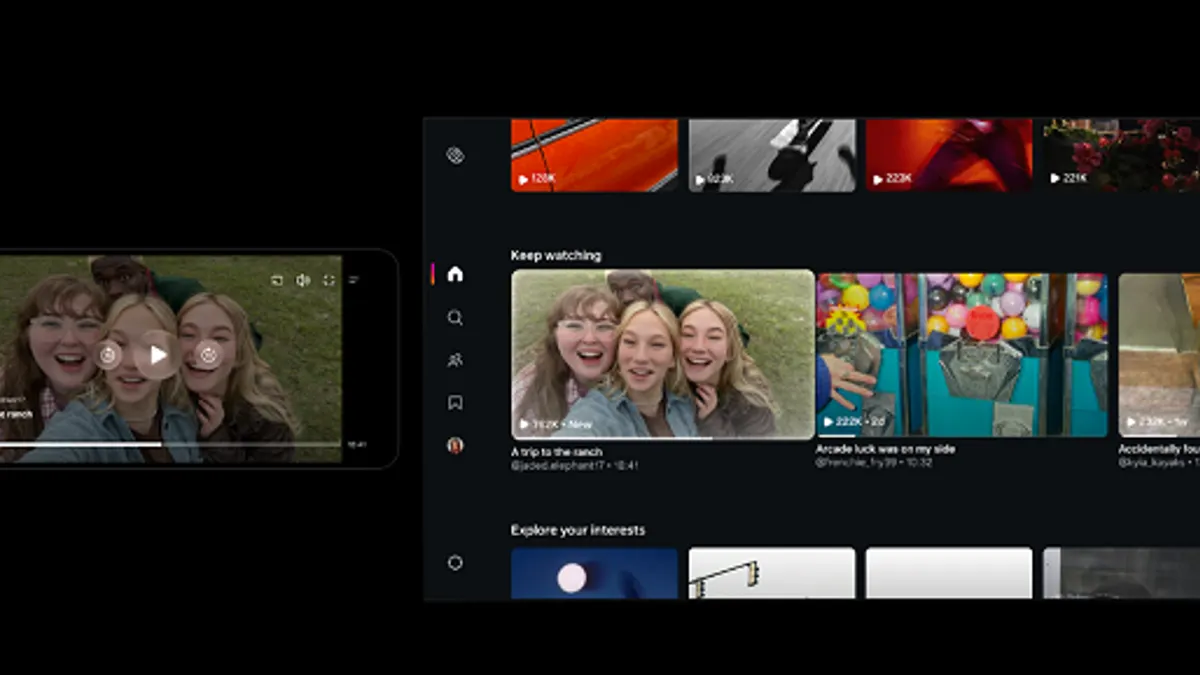
The Latest
-
 Retrieved from Pew Research on October 27, 2026
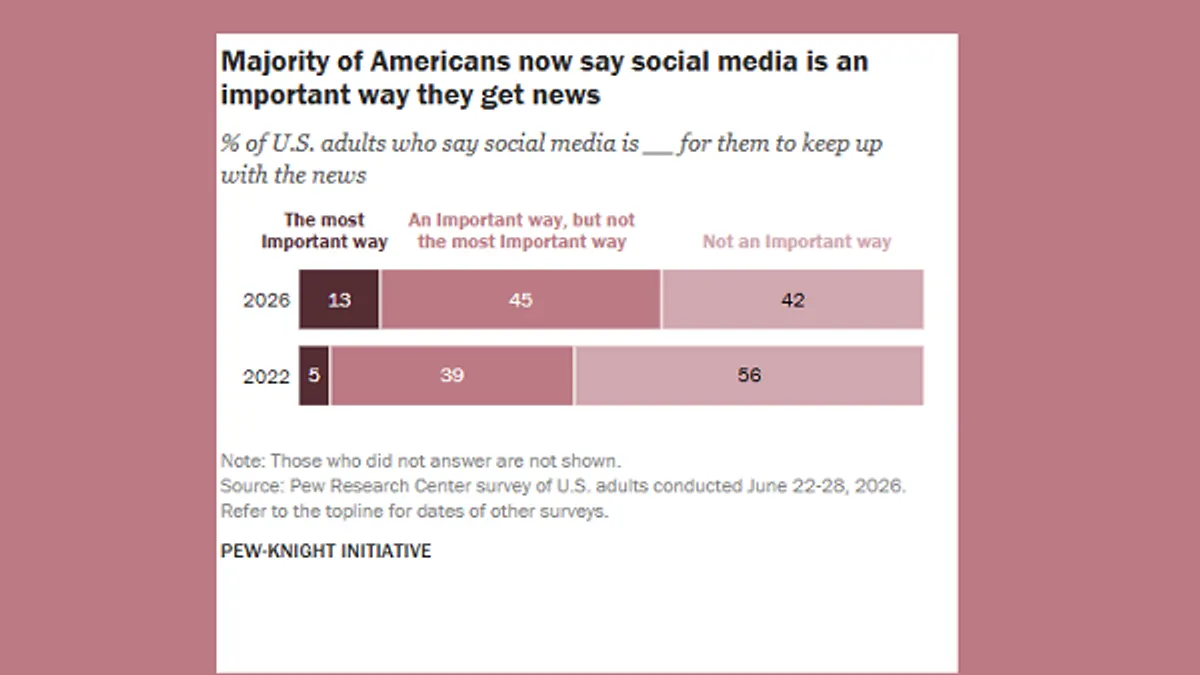
More than half of US adults use social media to get their news
A new report from Pew found that the percentage of Americans who use apps to stay connected to current events has risen sharply over the last four years.
-
 Retrieved from TikTok on October 27, 2026
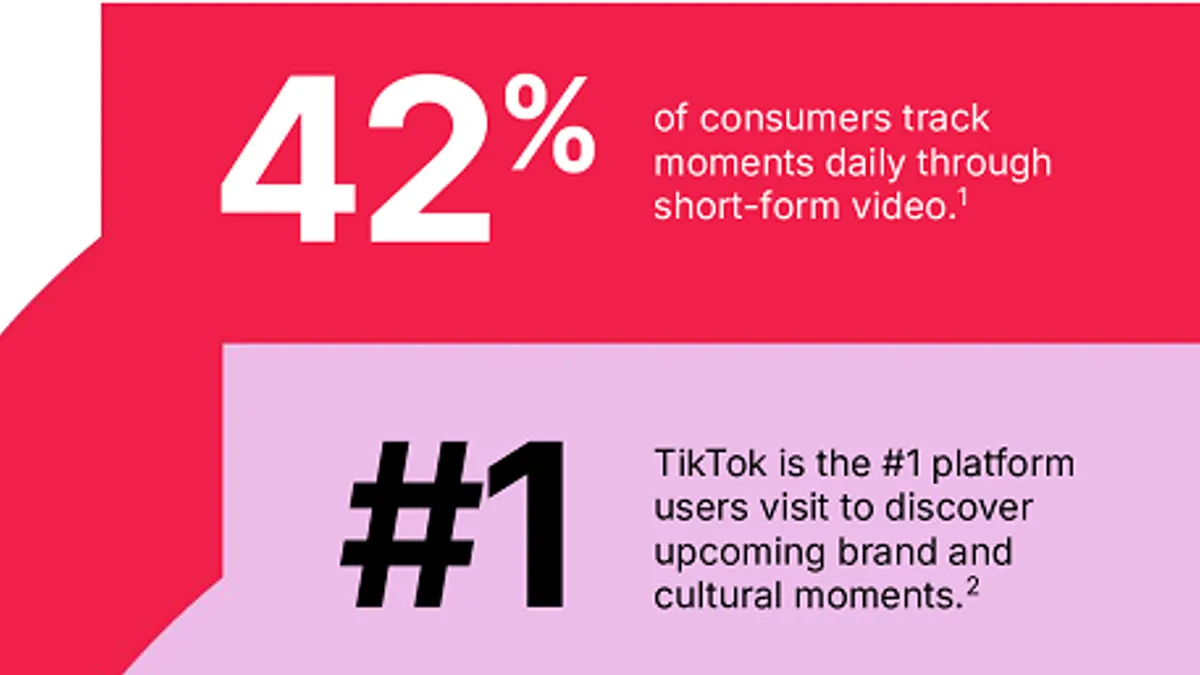
TikTok playbook outlines the value of its high-end ad options
The app’s Top View and Pulse Premiere solutions provide premium placement opportunities during peak viewing events.
-
 Getty Images
Australia’s proposed algorithmic opt-out gets pushback
Instagram Chief Adam Mosseri and conservative commentator Michael Shellenberger have separately opposed aspects of the regulations.
-
 Retrieved from Pinterest on October 27, 2026
Pinterest introduces new programmatic buying solution
The deal will make ads on the platform available via a range of third-party exchanges, including those run by Yahoo, Amazon and Google.
-
 Retrieved from Meta on October 29, 2021
Meta delays business terms update over data scraping concerns
The company’s latest commercial services agreement has been postponed while regulators in the EU and the U.K. get clarity, according to Reuters.
-
 Retrieved from X on October 25, 2026
X provides holiday campaign tips
Recommendations include keeping ads short, using natural language and featuring clear calls to action.
-
 Retrieved from Meta on October 25, 2026
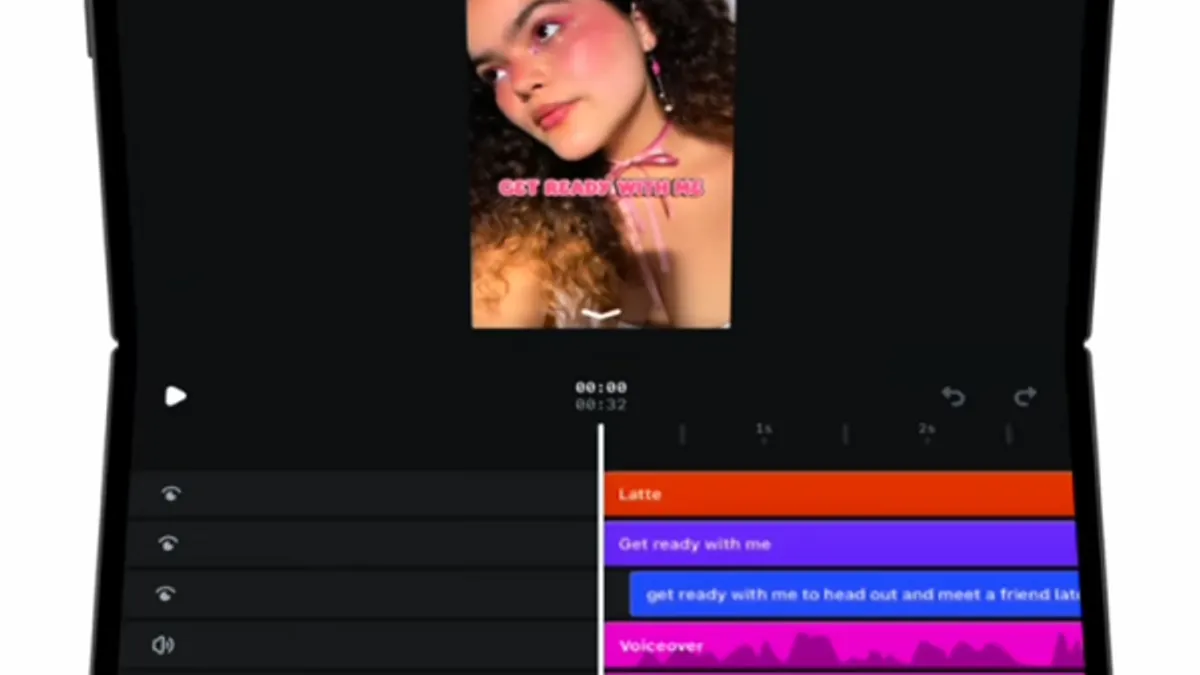
Edits comes to iPhone Duo and desktop
Meta’s video editing app was optimized for Apple’s new folding screen device and a soon-to-be-released desktop version is currently being tested.
-
 Retrieved from Meta on October 25, 2026
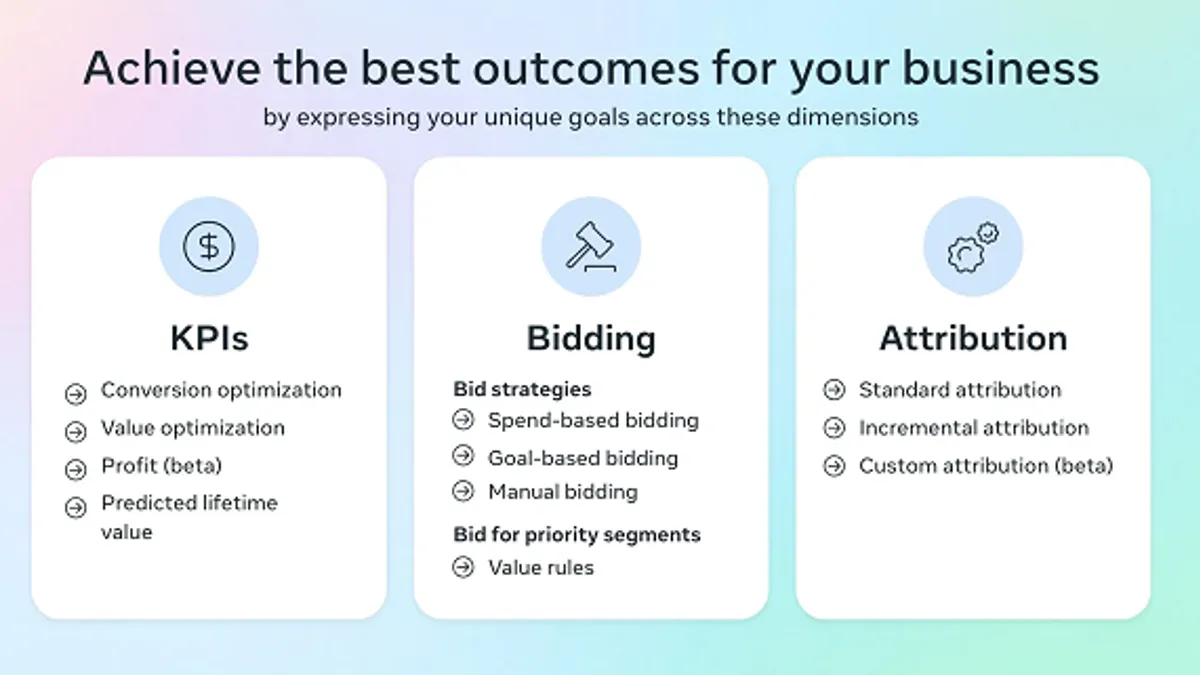
Meta says advertisers should let campaigns gather data
A new best practices guide cautioned marketers to give both ads and analytic systems time to assess results before tweaking components.
-
 Retrieved from TikTok USDS on February 03, 2026
TikTok US shares Q2 account enforcement data
The platform said it removed more than 14 million fake accounts and prevented nearly 65 million spam accounts from being created.
-
 Alamy
Alamy
Meta hit with $25B fine over privacy breaches
A New Mexico judge ordered the company to pay damages after a jury found Meta guilty of exposing user data, per Reuters.
-
 Retrieved from Meta on October 23, 2026
Meta offers insights on individual platform growth
Alongside its third quarter earnings, the company revealed usage notes and engagement data for Facebook, Instagram and Threads.
-
 Retrieved from LinkedIn on October 22, 2026
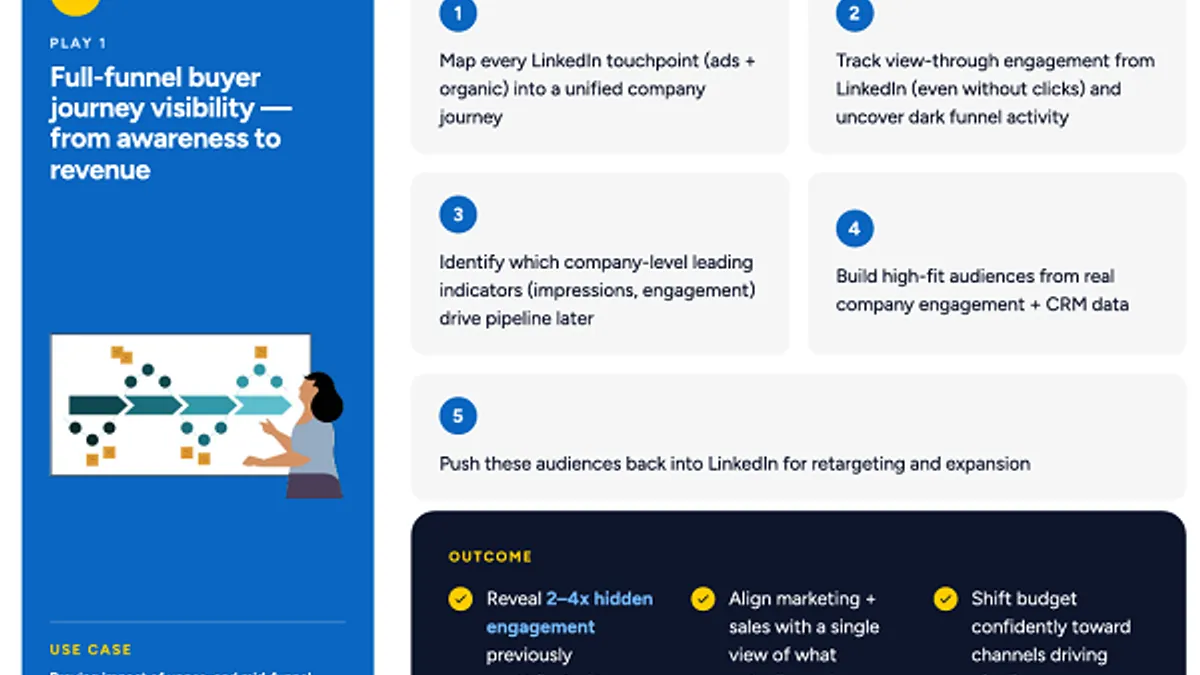
LinkedIn publishes new guide to B2B conversion tracking
The overview offers information on gauging promotional performance and includes a clear step-by-step breakdown of what to do.
-
 Retrieved from Meta on September 23, 2026
Meta says shopping is Muse’s primary use case
On a third quarter earnings call, CEO Mark Zuckerberg touted the artificial intelligence agent’s download numbers and outlined its benefits.
-
 Retrieved from Snapchat on October 23, 2026
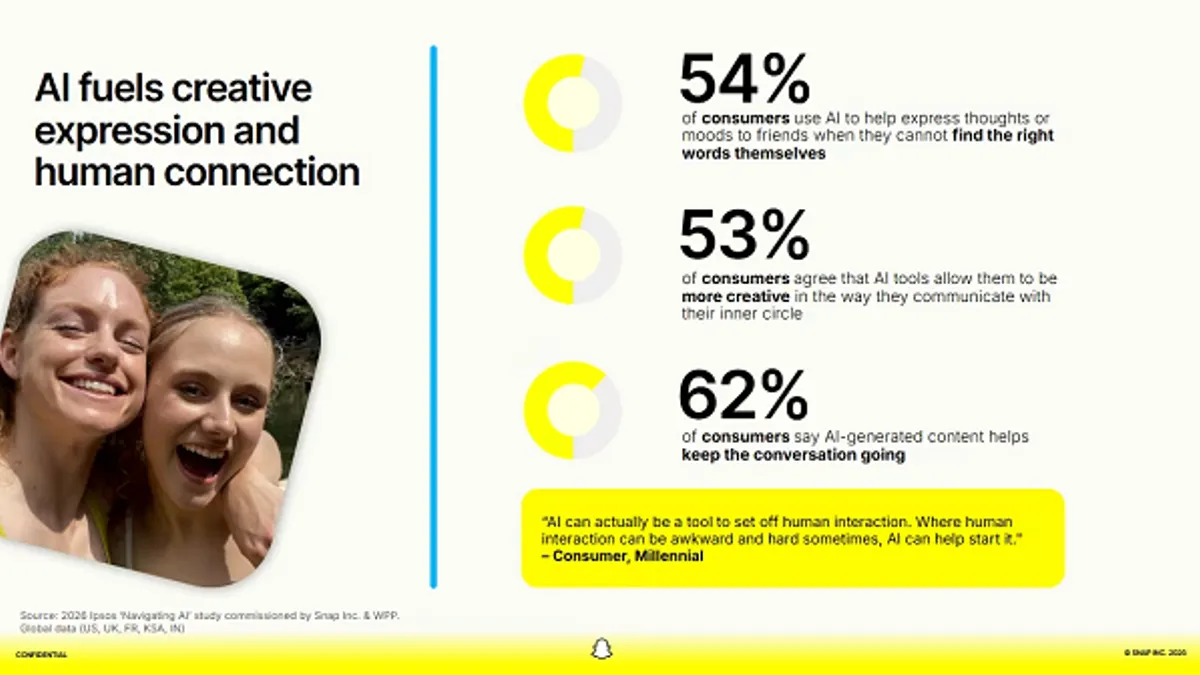
Snapchat says some AI users are willing to trade privacy for utility
A new study examines the evolving attitudes about artificial intelligence tools and data collection.
-
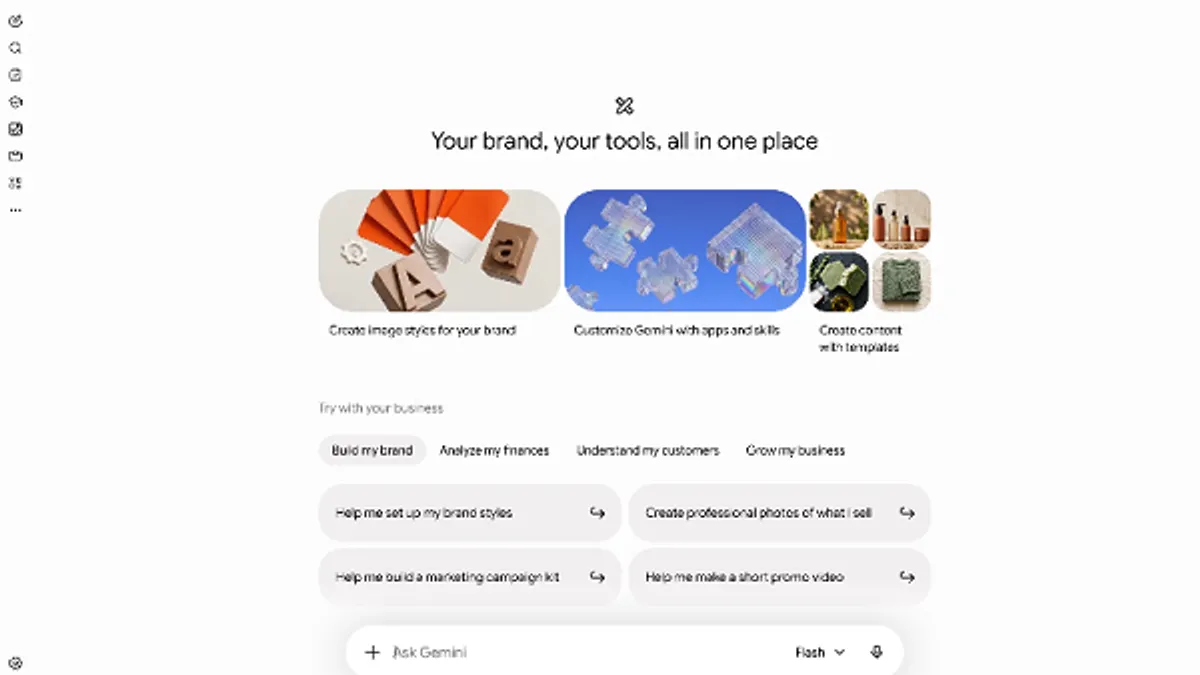 Retrieved from Google on October 22, 2026
Google adds brand management tools to Gemini
The artificial intelligence-powered platform now includes a refreshed landing page, support for third-party apps and more image generation abilities.
-
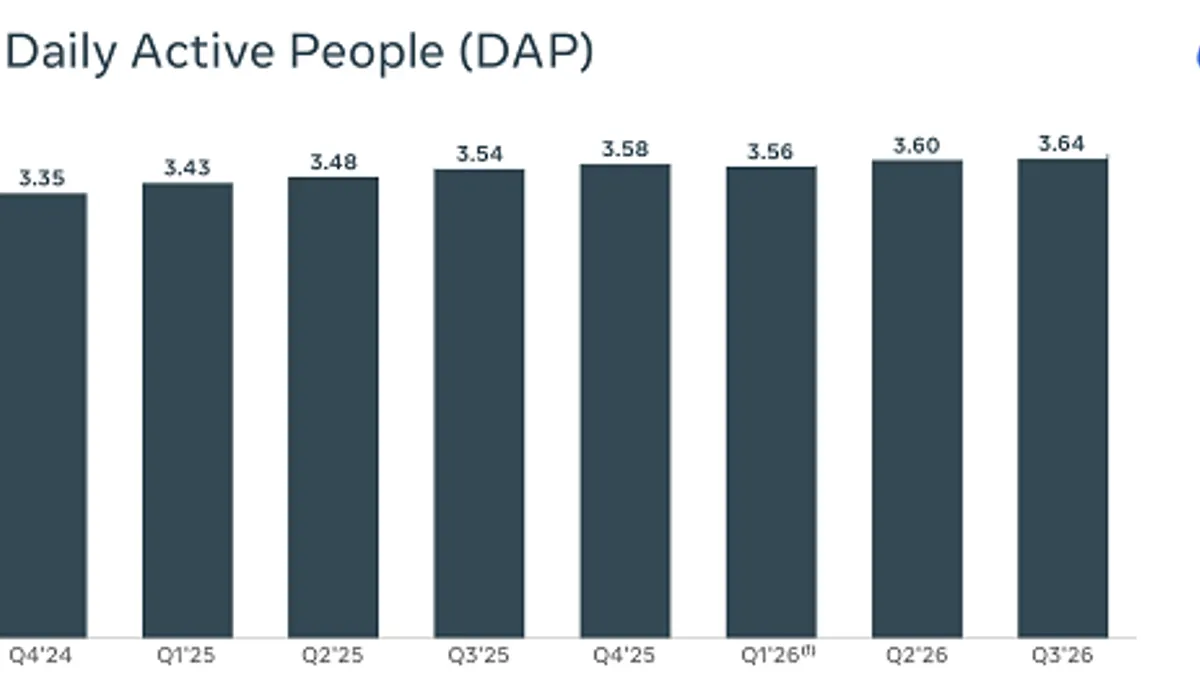 Retrieved from Meta on October 22, 2026
Meta adds users and revenue as AI costs climb
Revenue rose 26% year over year in the third quarter to nearly $65 billion, but expenses were up 68% due to capital expenditures.
-
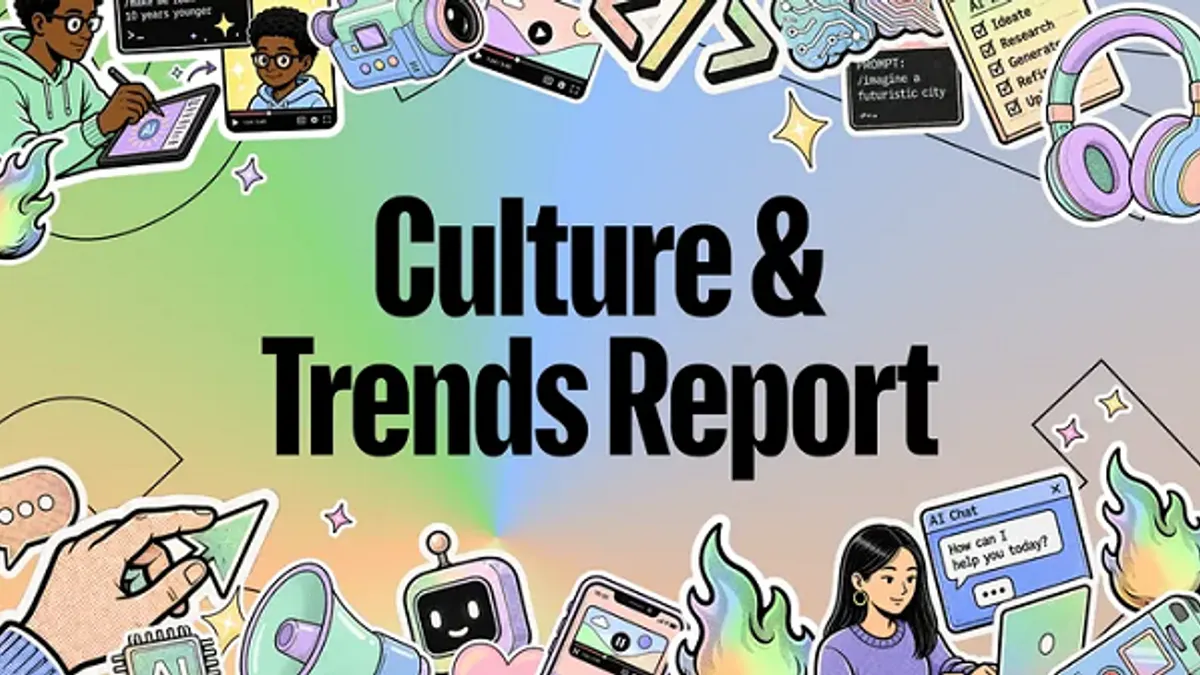 Retrieved from YouTube on October 22, 2026
YouTube shares data on how creators are using AI
A study commissioned by the platform found that nearly two-thirds of people posting videos want to insert themselves into the content using artificial intelligence.
-
 Retrieved from Meta on March 23, 2022
Meta offers creative targeting for ads
The company added a new feature that will allow third-party platforms to tailor age ranges and gender details for different elements in a promotional campaign.
-
 Retrieved from YouTube on February 01, 2024
YouTube adds temporary pause for hacked accounts
The new security feature is designed to keep creator channels safe by preventing bad actors from uploading content or starting livestreams.
-
 Retrieved from Meta on February 03, 2025
Meta shares more information on Edits Plus subscriptions
The company said paying users will get extra storage but did not reveal a pricing structure or offer details about when new features would roll out.
-
 Retrieved from Snap on October 21, 2026
Snap taps Robert Downey Jr. to promote Specs
The actor was named chief customer experience officer and will create videos demonstrating the capabilities of the company’s augmented reality glasses.
-
 Retrieved from National Museum of Australia on September 13, 2024
Australia prepares to sue social platforms over age violations
Bloomberg reported that the government plans to sue Meta, TikTok, Snapchat and YouTube for alleged noncompliance with a nationwide ban on teen users.
-
 Retrieved from Reddit on March 28, 2024
Reddit adds AI-powered ad guidance tools
The platform has a new campaign planner element and a way for brands to improve their optimization scores using customized recommendations.
-
 Retrieved from PR Newswire on October 21, 2026
YouTube inks affiliate deal with AliExpress
Creators will be able to tag the company’s products in their videos and earn commissions for any resulting sales.
-
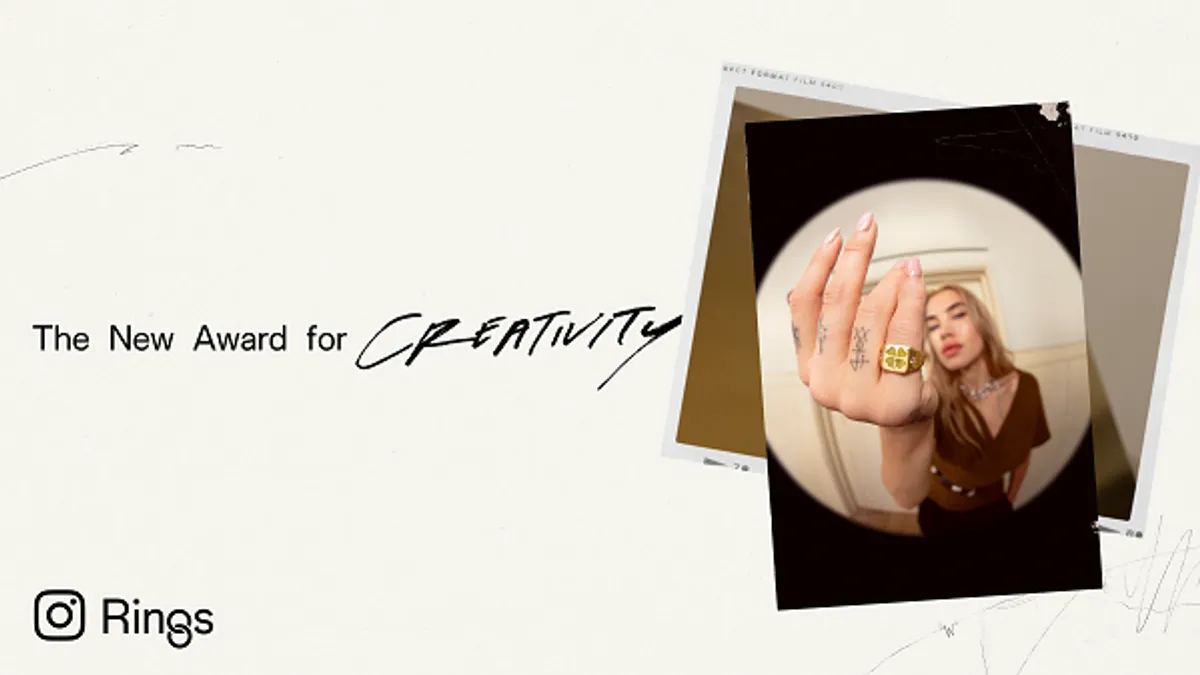 Courtesy of Instagram
Instagram announces next phase of Rings creative talent awards
The promotional event is designed to highlight the app’s top creators and features judges including Donatella Versace and A$AP Rocky.

