Google expanded the availability of its YouTube reach and frequency optimization controls for video campaign groups. The update gives advertisers more control over how their ads are displayed across multiple promotions.
YouTube’s reach and frequency controls let advertisers manage how often video ads are shown to users. One key option is target frequency, which lets advertisers set an ad exposure target within a set time period in order to maximize awareness within a certain period. Another option is frequency caps, which allow advertisers to limit how much someone is exposed to their promotions, in order to avoid overwhelm.
These control options have been available in Google Ads for some time, but they are now also being expanded to video campaign groups.
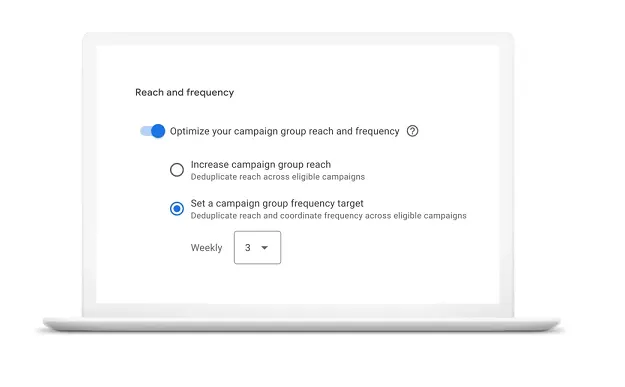
The simplified setup will make it easy for video advertisers to create exposure options across a video ad group.
Google said this will help advertisers hit optimal frequency targets and maximize ad performance. Google added that internal testing showed that a video ad exposure frequency of 2.7 per week led to a 19% lift in ROI.
In addition, Google said the update will make it easier to manage controls by enabling advertisers to set a single reach or frequency goal across multiple video campaigns, “while still maintaining individual campaign settings, including budget and creative.”
Advertisers will also be able to ensure more unique reach by managing individual exposure settings. The update will also offer a more unified view of core metrics across campaign groups, including unique reach and average weekly impressions.
Finally, Google said these options will soon be available to Display & Video 360 advertisers.