As Meta continues to promote the use of its evolving artificial intelligence tools, the company is also reckoning with an influx of AI-generated slop and the impact that this low-quality digitally created content is having on creators and users.
Last week, an artist complained that Instagram was allowing users to post AI-generated content that replicates his work. In response, Instagram Chief Adam Mosseri said it’s not practical for the platform to ban AI content, but that the app wants to stop people from using AI to rip off creators’ work.
Mosseri reiterated this sentiment in his weekly Q&A session, posted in a temporary Instagram Story: “We do not throttle the reach of AI content just for being AI content. Our idea with ranking is to connect you with content that you like and not with content that you’re not interested in, whether or not it’s AI. Now, there’s some great AI content and there’s a lot of slop out there, and so, ideally, ranking is doing its thing, but obviously we make some mistakes sometimes. We do want you to know that something was AI if it was generated with AI, and so we’re trying to figure out how to best do that.”
Mosseri said the platform plans to add more labels to AI content and it wants to incentivize creators to voluntarily tag their AI-generated content in order to improve overall transparency.
“To be clear, I am very worried about this trend,” Mosseri said in a recent Threads post about AI content replicating artists work. “We are actively working out what to do, it's just a tricky problem. We already let people make copyright claims against content, and take stolen copyrighted material. That's not enough though, as assume many comedians and dancers haven't gone through the trouble to copyright their material. We need a way to help those creatives without letting bad actors make more fake claims (happens all the time unfortunately).”
The issue highlights the delicate balance Meta is trying to maintain as it promotes its AI tools. The company has invested hundreds of billions of dollars into AI projects, and it continues to prompt users to use those tools to generate images and videos in-stream.
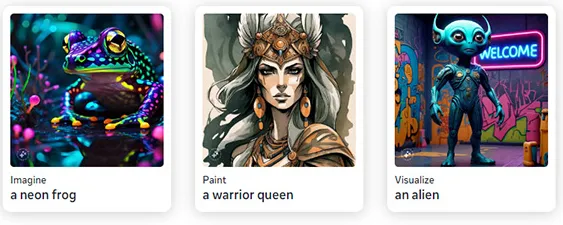
Yet that also leads to these latest concerns. As more users share derivative, copyright-infringing AI slop, it could push creators away from Meta’s apps.
As Mosseri said, this is a difficult problem to solve, but it’s also a problem that Meta itself created.
The end result, then, could be that more creators avoid Meta’s apps, which could have a significant impact on the company’s viability moving forward.