Meta is developing a new protocol for businesses that will offer more insight into how Muse agents interact with business websites. The move is designed to ensure that more providers allow Muse to engage with their sites.
As more and more artificial intelligence agents start to crawl across the web on behalf of users, many websites are now blocking them, in order to address concerns about the impact of how AI tools can infiltrate systems.
These concerns include fears about AI tools seeking out vulnerabilities, overloading systems or finding ways to cheat their way through restrictions and limits. For example, a human user may not be able to refresh a site 500 times per minute to ensure first dibs on a new product listing. But AI agents can, and if thousands of AI agents show up at once, that could crash a site.
Meta hopes its new protocol will counter this by empowering websites to create their own bots and control measures that can communicate with Muse agents to ensure everything works well together.
As explained by Meta: “We’re building the next set of capabilities with Sierra and our partners across retail, payments, and customer experience. That work includes the protocol we’re designing together to handle authentication, empower consumers, and give companies visibility into what personal agents do through their websites, APIs or company agents. It will be open for anyone to implement.”
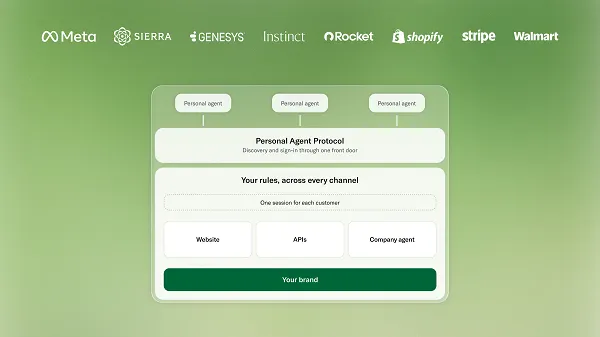
Meta hopes this will ease the path of agentic commerce by providing more transparency and control, so that website owners feel safer allowing AI agents to act on customers’ behalf.
Though that is only one part of the broader concern.
If agentic commerce takes off, and more transactional activity is undertaken by bots instead of human users, that could upend the entire web commerce model. It could erode direct connection between brands and their customers, remove upselling opportunities or even kill off the website display ads model.
If humans are no longer the audience, that changes the whole paradigm, and businesses could end up losing out.
This is another reason some companies have chosen to block AI agents. It will be interesting to see how Meta plans to counter this resistance as it looks to expand Muse growth.
Meta’s Muse app is currently serving more than 3 million weekly users, and has already been downloaded more than 5 million times, highlighting significant overall consumer interest in agentic AI.