Amid rising questions about the value and viability of artificial intelligence, Meta has announced its Muse Image visual creation and remix option.

Utilizing advanced AI-powered reasoning, Muse Image is the latest project from the company’s Superintelligence Labs, which has been tasked with researching and creating artificial intelligence tools.
Meta has spent billions of dollars on its Superintelligence Labs and recruited top-tier talent. The company has also invested hundreds of billions of dollars into AI infrastructure to power these next-level experiences.
The end result? More visual creation tools that can, among other things, “place your pet in a famous painting.”
That is an actual use case detailed in Meta’s announcement.
But, like, why?
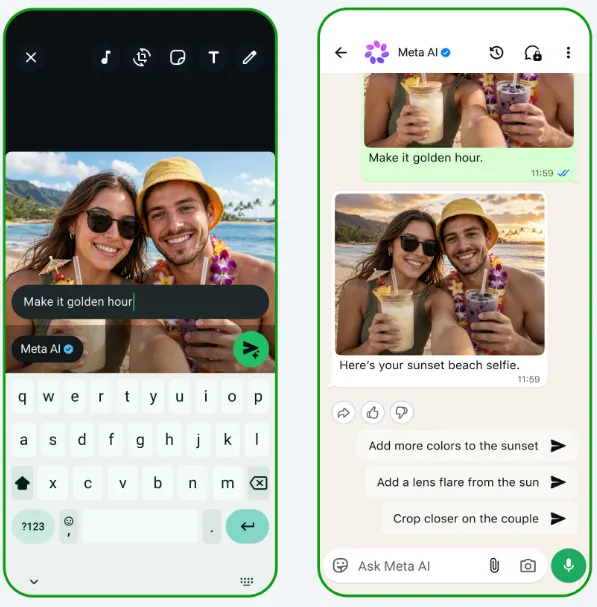
The background editing in this example looks realistic. But on WhatsApp, where people are generally communicating with friends, why would they want to share depictions that are not real?
Don’t get me wrong, there is certainly value in these tools. For example, there’s an argument to be made, for conversational AI editing and refining some photos to improve them.
But completely transforming the context seems false, misleading and unnecessary.
Which Meta’s own AI development group has essentially acknowledged.
Just last month, Meta Superintelligence Chief Alexandr Wang said in an interview with The Core Memory podcast that while many people have found AI tools to be somewhat helpful, overall, user experiences “are not overwhelmingly better” as a result of AI implementation. Wang said that the onus is on Meta to build more valuable AI tools and win over more users in an effort to improve public sentiment.
Nonetheless, the group Wang spearheads released this product just a month after that interview.
“The model also powers new creative tools across Meta’s apps,” Meta said. “You can use more than 30 new AI-powered effects for Instagram Stories and generate images in your direct chats with Meta AI on WhatsApp — starting in limited countries with more locations on the way.”
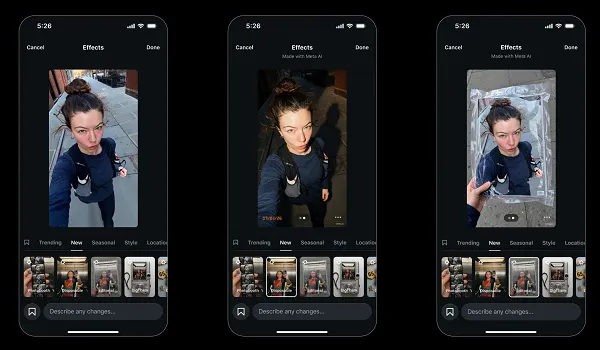
Offering Instagram filters doesn’t make it seem like Meta has truly taken Wang’s call to action to heart yet.
Meta also highlighted some practical use cases, such as generating a party invite:

But then the next example in its overview is this:
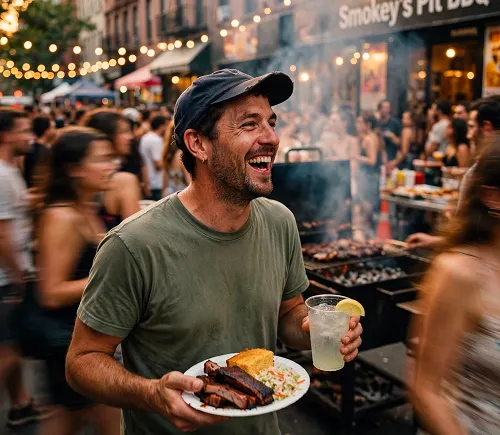
This whole scene has been generated by an AI model. Why would anyone want to generate this?
There’s also this sneaky tidbit: “You can also @-mention Instagram accounts in the Meta AI app to bring specific Instagram profiles right into your images.”
As reported by Wired, Meta added this capacity for people to remix any public image on Instagram, and users will have to explicitly opt-out of this option if they don’t want their content used in AI depictions.
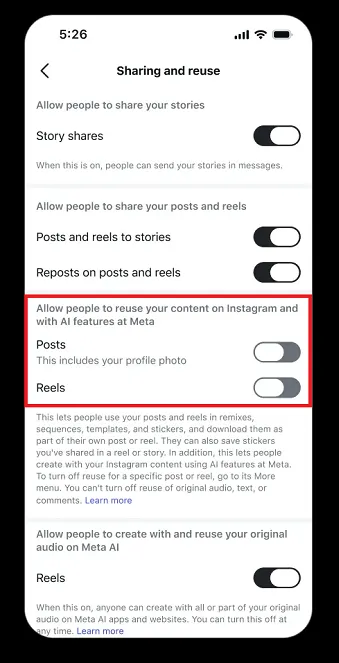
So Meta’s new model lets users create misleading, false, “fun” depictions and remix other users’ content.
It’s increasingly hard to see the positive impact here?
It’s also interesting to note that there’s been broad backlash against AI, and criticism of the value these expensive, environmentally harmful, job-replacing systems can bring. It’s against this background that Meta has chosen to present this new value-add for regular users.
But if it helps improve Meta’s ranking in the WingDings AI Competition, and beat out other models, good for them.