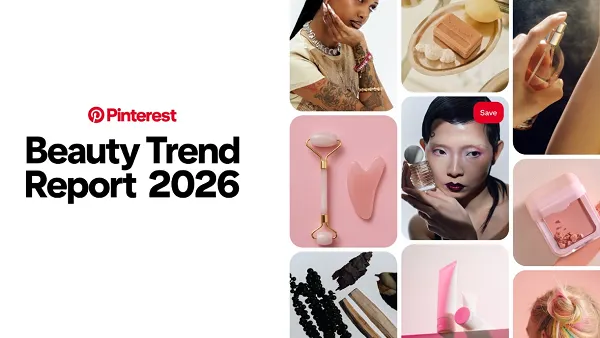
Pinterest is continuing its anti-social media promotional push with a new report that highlights how younger users increasingly want to use online connections to fuel offline experiences. The playbook also explores how Pinterest plans to play a role in that.
According to Pinterest, 40% of Generation Z users said they wish social media had never been invented, and 63% of Gen Z adults want to unplug in a more intentional way.
Pinterest said this trend is reflected in its own platform’s usage data:
“On Pinterest, we watch intent signals every single day, and we’re seeing year-on-year jumps in searches such as ‘things to do instead of scrolling’ +365%, ‘analogue aesthetic’ +260% and ‘dumb phone’ +150%,” the report said. “Plus, there’s been an uptick in searches for offline inspiration such as ‘travel sticker collection display ideas’ +74%, ‘coffee station ideas party’ +624% and ‘bedazzle headphones’ +1,233%.”
Pinterest said that most social platforms design their systems to keep users locked into a loop of continuous scrolling in order to maximize ad revenue.
However, Pinterest said it wants to change that because the company believes this will deliver a better user and advertiser experience.
“When people are stuck in the loop, passively scrolling, they’re browsing a continuous feed without a clear goal or time limit,” Pinterest said. “And in this context, ads don’t land — they become part of the scroll, and are more likely to be ignored than acted upon. But when people are in a more intentional mode online, they’re using technology to help them take action and make decisions in their real lives. In action mode, brands are less likely to be ignored, and more likely to be purchased, trusted and remembered.”
This is the foundation of Pinterest’s push to encourage more offline behaviors through online discovery. The platform said this could lead to more positive social media engagement.
Which will also flow through to Pin promotions.
Pinterest said that brands can align with its push toward offline engagement by showcasing their brand values and the impact their products have on the real world. The company said marketers can also help Pinterest users to see how products or services offer a concrete path to realizing a personal vision.
“Lastly, set them free,” Pinterest said. “This is where advertisers need to be brave. Once people have found what they’re looking for, let them go. Don’t trap people in the experience. Let your brand do its job, and then send them back into their life having found what they were looking for.”
It’s the latest element in Pinterest’s broader effort to distance itself from other social media apps by reiterating that its purpose is to help people discover new things, not to keep them scrolling for as long as possible.
Maybe brands could power more effective, engaging Pin campaigns by aligning with this strategy.